Medical
Medical Assistant Training: What the Program Covers and Why It Works
Complete guide to medical assistant training — curriculum, clinical skills, CCMA certification prep, and how to get started at Medical Assistant School.

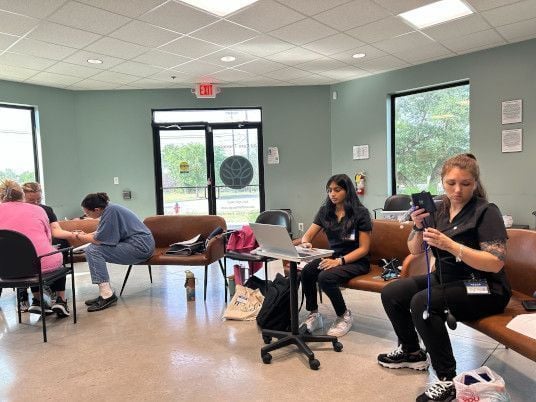
Walk into any busy clinic and you’ll see medical assistants doing a dozen different things — rooming patients, updating charts, drawing blood, answering phones, sterilizing equipment. A medical assistant training program is where you learn all of it, and learn it well enough to do it under pressure.
Here’s a detailed breakdown of what a training program at Medical Assistant School actually covers, how hands-on practice works, and what you should be able to do by the time you finish.
The clinical side of the curriculum focuses on the tasks you’ll perform in exam rooms and labs. Expect to cover:
These aren’t topics you just read about — in a strong program, you practice them under supervision until the process feels natural.
Medical assistants often wear multiple hats. The administrative side of training prepares you for tasks like:
The best medical assistant training programs teach clinical and administrative skills together, because that’s how the job actually works.
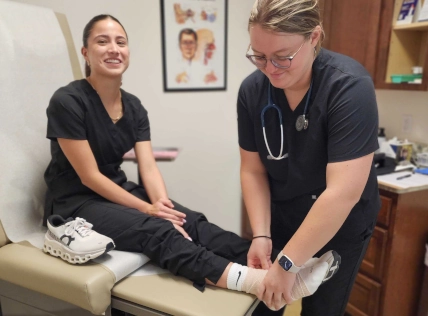
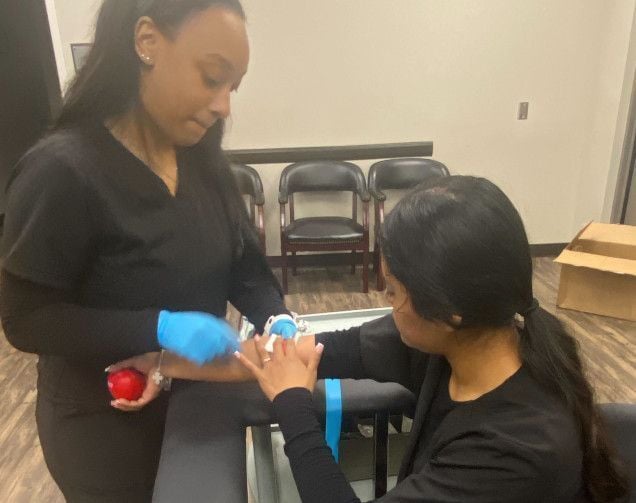
Reading about how to take blood pressure is not the same as wrapping a cuff around a real arm and listening for Korotkoff sounds. The gap between knowing something and doing it confidently is where hands-on practice comes in.
At Medical Assistant School, supervised practice is woven throughout the program. That means you’re not saving all the practical work for the final week — you’re building skills progressively, getting instructor feedback, and developing muscle memory with real equipment.
Most medical assistant training programs can be completed in a matter of months — significantly faster than a two-year or four-year degree. The goal is focused, efficient training that gets you job-ready without unnecessary delays.
Completing a training program opens the door to entry-level medical assistant jobs in clinics, physician offices, outpatient centers, and specialty practices. Many programs also include externship components that give you real-world experience before you start applying.
Medical Assistant School supports students through career readiness, resume preparation, and job search guidance.