The whole point of medical assistant training is to get a job. That sounds obvious, but too many programs focus on coursework and leave the “getting hired” part up to you. The best programs are designed with employment in mind from day one — building the specific skills that hiring managers screen for, in the formats they trust.
Here’s how training connects to medical assistant training jobs, what employers are looking for, and how to position yourself for a strong start.
What employers actually screen for
When a clinic or physician office posts a medical assistant position, they’re evaluating candidates on specific criteria:
1. Clinical competence
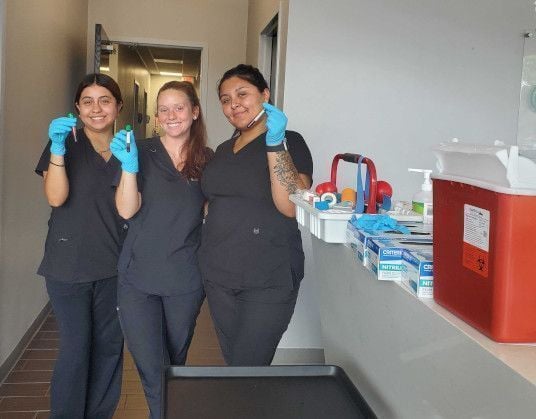
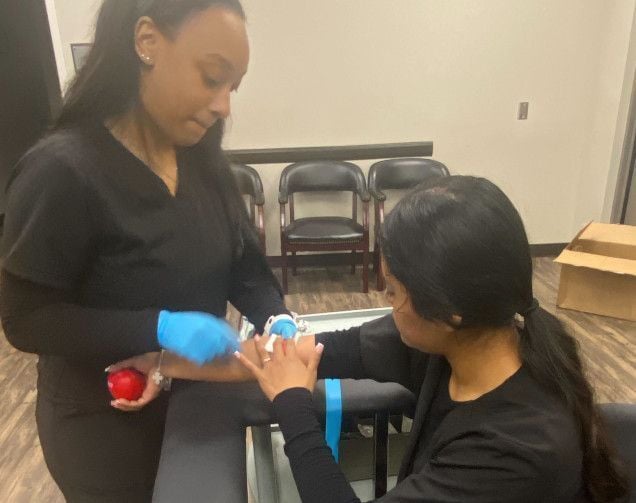
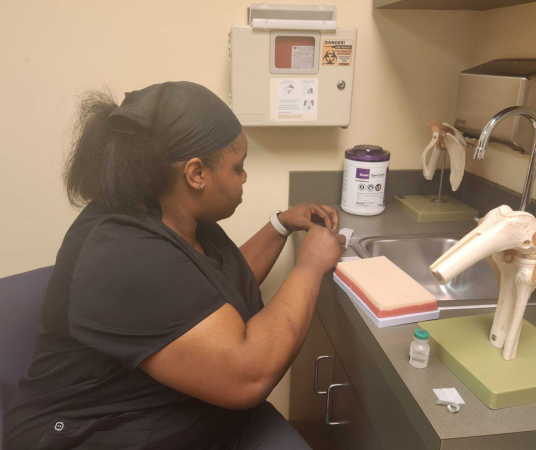
Can you take vitals accurately? Draw blood safely? Perform an EKG without needing step-by-step guidance? Employers want evidence that you’ve practiced these skills under supervision — not just studied the theory.
2. Professionalism and reliability
Healthcare runs on tight schedules. Showing up on time, staying organized, communicating clearly, and maintaining a calm, professional demeanor under pressure are qualities every hiring manager prioritizes.
3. Patient communication skills
Medical assistants interact with patients constantly — during intake, before procedures, during exams, and at checkout. Being able to explain things clearly, manage anxiety, and treat people with empathy is essential.
4. Certification
Holding a recognized medical assistant certification like the CCMA signals that you’ve been trained and tested to a standard. It’s not legally required everywhere, but it consistently gives candidates an advantage.
5. Adaptability
Every office runs a little differently. Employers value candidates who can learn new workflows, adapt to different EHR systems, and handle the unpredictability of clinical work.
Where medical assistant jobs are
Medical assistant training jobs are available across a wide range of settings:
- Primary care and family medicine offices — the most common employers
- Urgent care clinics — high-volume, fast-paced environments
- Specialty practices — cardiology, dermatology, pediatrics, orthopedics, OB/GYN
- Outpatient surgery centers — supporting pre-op and post-op care
- Hospitals and health systems — larger organizations with multiple departments
- Community health centers — mission-driven organizations serving diverse populations
Demand for medical assistants remains strong — driven by an aging population, expanding access to care, and the ongoing need for clinical support staff.
How to find medical assistant jobs after training
Once your training is complete, here’s where to search:
- Job boards — Indeed, ZipRecruiter, LinkedIn, and Glassdoor all list MA positions regularly
- Healthcare system career pages — hospitals, clinic networks, and DSOs post jobs directly
- Staffing agencies — some specialize in healthcare placements and can connect you quickly
- School career support — strong training programs help with resumes, interview prep, and employer connections
- Networking from training — externships and clinical rotations often lead directly to job offers from the practice where you trained
How the right training program sets you up to get hired
Not all training leads to the same outcomes. Programs that produce the most employable graduates share a few things in common:
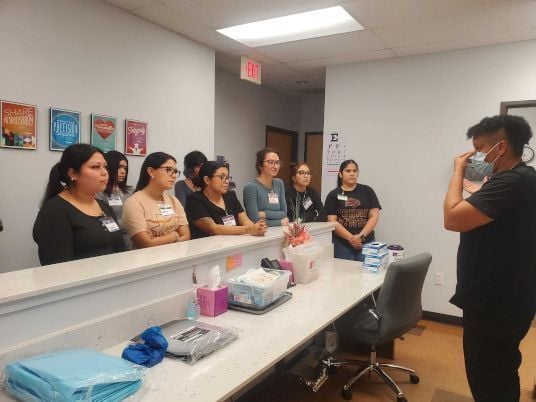
- Hands-on clinical practice — employers trust candidates who’ve practiced skills in real or realistic environments
- Certification preparation — CCMA-ready graduates move through the hiring process faster
- Career readiness support — resume help, interview coaching, and job search guidance
- Structured curriculum — every module builds toward measurable, job-relevant competencies
- Realistic timelines — programs that respect your time and get you trained efficiently