CCMA Training Near Me: What the Certification Means and How to Prepare
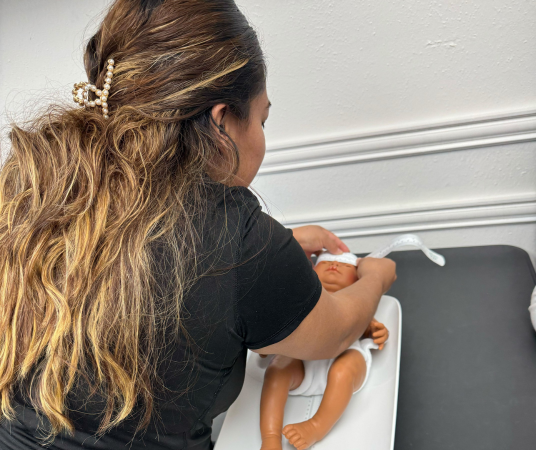
You’re searching “CCMA training near me” — which means you already know that certification matters. The CCMA (Certified Clinical Medical Assistant) is one of the most recognized credentials in medical assisting, and earning it can give you a real edge when you’re applying for jobs.
But not every training program prepares you for it equally. Here’s what the CCMA actually involves, what kind of training you need to pass the exam, and what to look for in a program.
What is the CCMA certification?
The CCMA is issued by the National Healthcare Association (NHA). It’s a nationally recognized credential that verifies your knowledge and clinical readiness for medical assisting work.
To earn it, you need to:
- Complete an approved medical assistant training program (or meet equivalent experience requirements)
- Pass the NHA’s CCMA exam — a multiple-choice, computer-based test covering clinical and administrative medical assisting knowledge
The exam tests you on topics like:
- Patient care — vitals, patient preparation, communication
- Phlebotomy — venipuncture technique, specimen handling, safety
- Clinical procedures — injections, EKGs, wound care, medication administration
- Infection control — sterilization, OSHA standards, PPE
- Administrative tasks — scheduling, EHR documentation, insurance basics, HIPAA
Why CCMA certification matters for your career
Certification isn’t legally required in most states — but it makes a real difference when you’re job hunting:
- Employers prefer certified candidates — it signals that you’ve been trained and tested to a recognized standard
- Higher starting pay — some employers offer better wages for certified medical assistants
- Faster hiring — certified applicants often move through the hiring process more quickly
- Career flexibility — the CCMA is recognized nationwide, so it travels with you if you relocate
What to look for in CCMA training
When you search “CCMA training near me,” the results will vary widely. Here’s how to evaluate programs:
Integrated exam preparation
The best programs weave CCMA content into the curriculum from the start — not as a cramming session at the end. Look for programs where exam topics are covered naturally throughout training.
Hands-on clinical practice
The CCMA exam tests clinical knowledge and applied competency. Programs that include supervised, hands-on practice (phlebotomy, vitals, injections, EKGs) produce students who are better prepared — both for the exam and for the job.
Structured, instructor-led learning
Self-paced modules can leave gaps. Look for programs with structured schedules and real instructors who answer questions, provide feedback, and keep you on track.
Transparent cost (including the exam fee)
Some programs charge separately for CCMA exam registration. Ask upfront whether the exam fee is included in tuition or if it’s an additional cost.
CCMA vs other medical assistant certifications
The CCMA isn’t the only credential available. Here’s a quick comparison:
CCMA (Certified Clinical Medical Assistant)
- Issued by: National Healthcare Association (NHA)
- Focus: Clinical medical assisting
- Widely recognized: Yes, across clinics, hospitals, and outpatient facilities nationwide
RMA (Registered Medical Assistant)
- Issued by: American Medical Technologists (AMT)
- Focus: Clinical and administrative medical assisting
- Requirements: Accredited program or work experience
CMA (Certified Medical Assistant)
- Issued by: American Association of Medical Assistants (AAMA)
- Focus: Broad clinical and administrative skills
- Requirements: CAAHEP-accredited program
All three are legitimate credentials. The CCMA is one of the most accessible because it doesn’t require graduation from a specific accreditation type — approved training programs qualify.